

Alternative dispute resolution (ADR) offers parties the opportunity to settle their dispute without going to court and has become increasingly important in civil litigation. The ADR process incorporates a variety of techniques including conciliation, arbitration, negotiation and mediation, and it aims to help parties come to a mutually acceptable conclusion more discreetly and quickly than going to court.
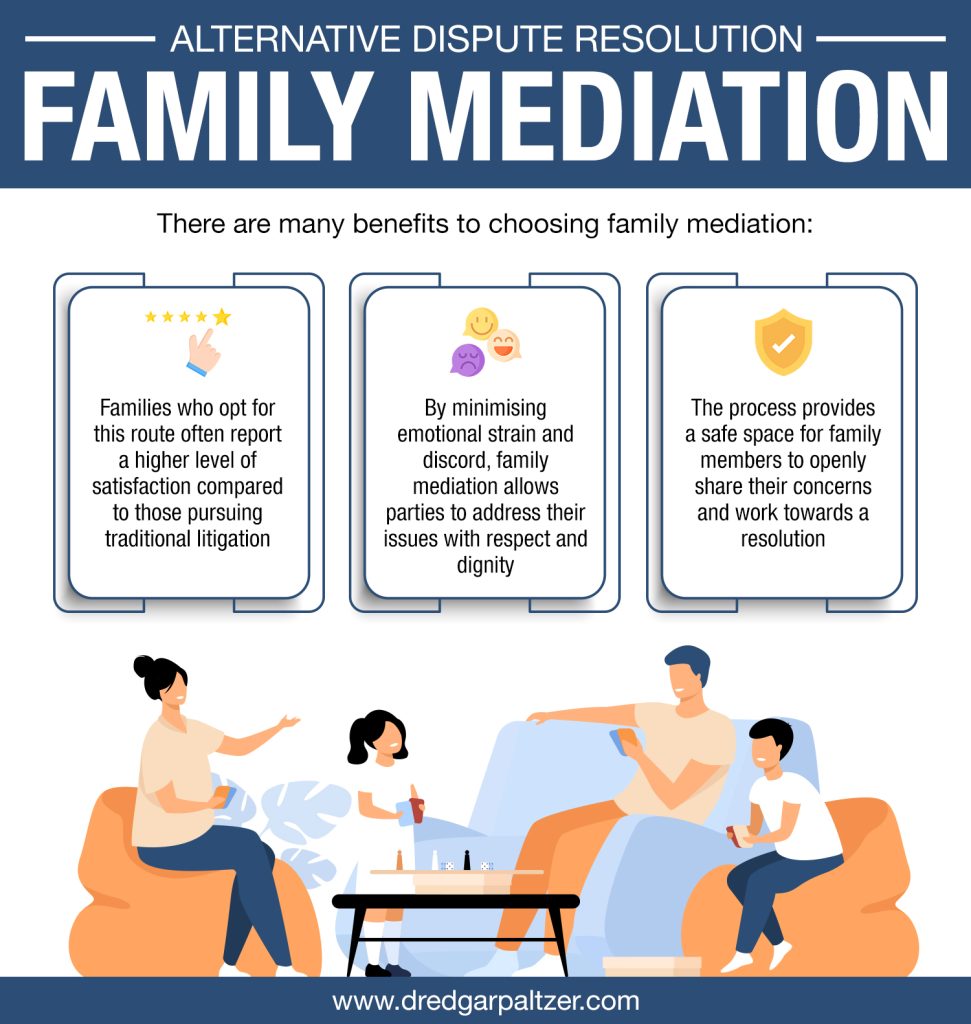
The Different Types of ADR
The main types of ADR are mediation, arbitration and negotiation. The first involves an objective third-party mediator whose role is to help the parties discuss their issues and reach a mutually agreeable resolution. The mediator assists the parties to communicate and negotiate but never forces a solution or decides anything.
Arbitration is typically especially useful in business disputes and is conducted by an arbiter who listens to the arguments of both sides before delivering a legally binding conclusion. Arbitration proceedings usually offer a quicker resolution than going to court and are more discreet – vital for companies that prefer not to have their disputes made public.
Negotiation, meanwhile, is where parties (or their legal representatives) negotiate a settlement by dealing directly with each other. While this technique doesn’t necessitate the involvement of an independent third party, a mediator or attorney may be used to help manage the process.
Why Choose ADR?
There are many reasons that people choose alternative dispute resolution rather than go to court. As well as typically solving the problem more quickly, it’s usually less expensive and less stressful than court proceedings and is often more flexible, allowing for a wider range of possible outcomes. As those with professional experience of alternative dispute resolution – such as Edgar Paltzer – know, ADR can help preserve an individual’s relationship with the other party.
The solutions that result from ADR may be more satisfying and longer lasting, too. Rather than simply seeking an acceptable compromise, mediators aim to help the parties reach an agreement reflecting the very best possible outcomes for everyone involved.
Can ADR Always Be Used to Solve Disputes?
There are some situations where ADR isn’t suitable, such as for issues requiring urgent court action, where an outcome needs to be legally binding or when the other party is not willing to participate in ADR. A reluctant party may make the process untenable. Some types of disputes (domestic abuse, for example) are also not suitable for the alternative dispute resolution route.